In class, we discussed the rapid speed of information sharing through social media. This ability for information to be dispersed in a blink of an eye has both values and consequences. In the case of natural disasters and current events, the spread of information is beneficial because of the ability to inform many people of something so quickly, but at the same time, this rapid speed, makes room for an increase in the spread of false information.
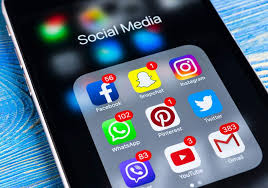
It is important to first consider the value in rapid information sharing through social media. Because of the quick and easy access to information on social media, messages can be spread to thousands of people within a few minutes or less. Recently, a friend of mine went missing. Within such a short period of time, nearly my entire Instagram and Facebook feeds were filled with posts by people trying to spread the word about his disappearance. Not only was this reassuring for his family and friends to see the ability that social media possesses to spread this information, it demonstrated the rapid speed at which information can be spread. The article, Digital Life in 2025published by the Pew Research Center discusses the prediction that technology will eventually allow information sharing to be done “effortlessly”, so much so that it will blend into our daily lives (Anderson et al, 2014). I feel as though we are quickly approaching this life style. Every day, I receive, process, and distribute information through social media, and yet, it does not always register in my mind that this is what I am doing. To be able to go online and on social media to read the news has become a part of my daily life. While this quick and accessible way of consuming information has its advantages, there are some consequences as well.
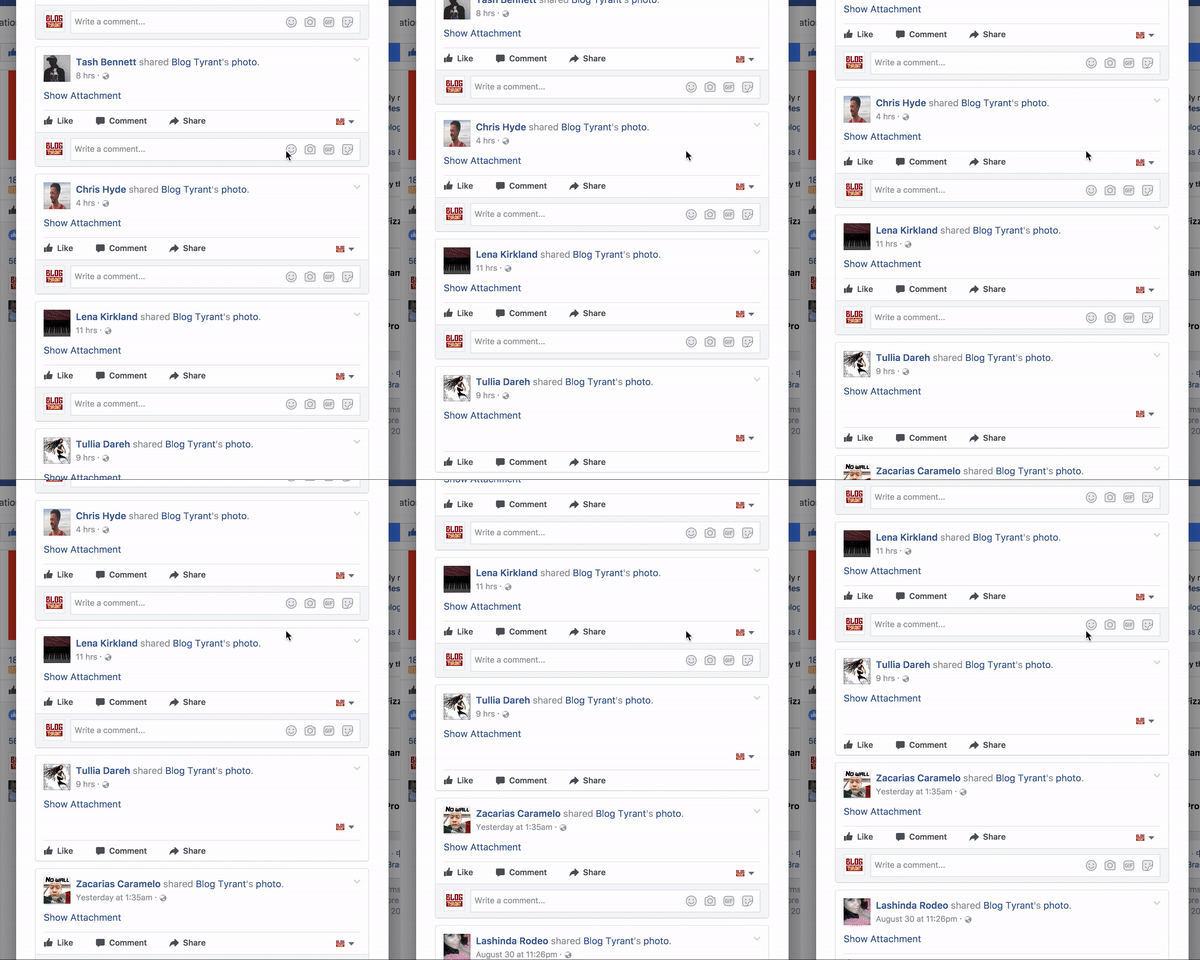
https://www.blogtyrant.com/what-can-we-learn-from-a-boosted-facebook-post-with-545-shares/
Because of the rapid speed at which information is shared through social media, the likelihood of false information being spread has grown. Not only can an originally false message be spread across all social media, but just like the game Telephone that we used to play in elementary school, when a message spreads from person-to-person, the message can be misconstrued or altered so that it is no longer true. This was demonstrated during my friend’s disappearance. At one point one person thought they heard some information about the situation and through social media, they spread an untrue message very rapidly about the whereabouts of my friend. This ability for facts and information to easily and quickly become skewed has also lead to the new trend, fake news, deceiving, untrue information that is spread throughout social media. In fact, according to Science Magazine, across social media “Falsehood diffused significantly farther, faster, deeper, and more broadly than the truth in all categories of information” (Vosoughi et al, 2018). Before the use of social media, I believe it was easier to eliminate false information before it reached a large audience because information spread slower, but now, with the accessibility of social media and the ability to spread information rapidly, untrue messages, such as fake news, are spread constantly. Moving forward, it would be beneficial to do research in order to gain hard evidence as to how social media has impacted the spread of false information in our personal circles and worldwide.
Overall, social media has brought us many tools that have advanced our communication techniques, but it is important to consider the sacrifices made in order to consume information on social media. Now, more than ever, we must always be aware that information we consume on social media may not be true. Through its ability to rapidly share messages to thousands of people at a time, social media makes communication simple, yet simultaneously, complex.
References
Anderson, J. and Rainie., Lee. (2014, March 11). Digital Life in 2025. Pew Research Center
Vosoughi, S., Roy, D., & Aral, S. (2018, March 09). The Spread of True and False News Online. SCIENCE, 359(6380), 1146-1151. doi:10.1126/science.aap9559

 Technology in Family Blog - Naomi Kaplan